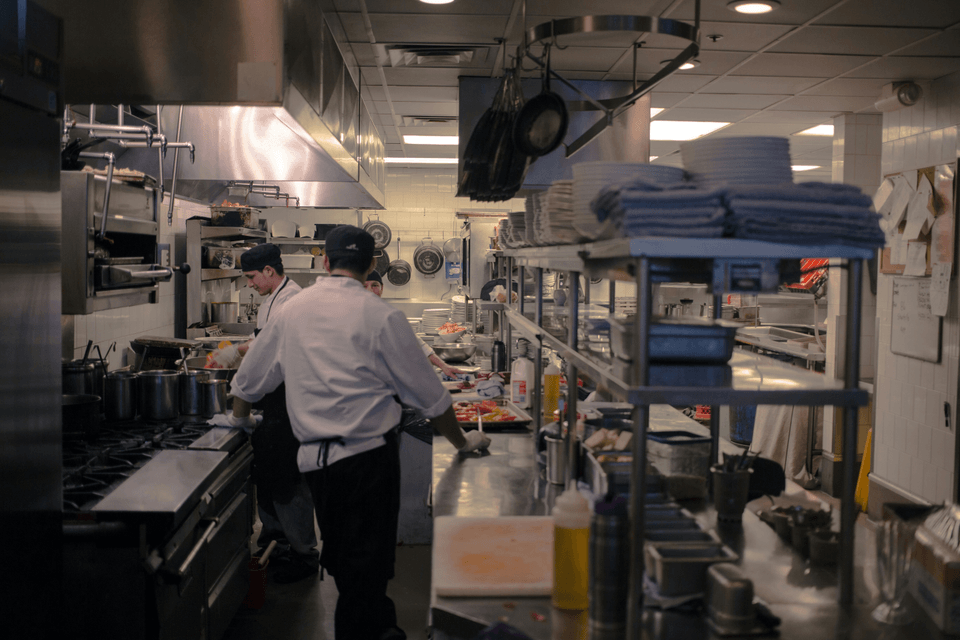
Efficient Kitchen Management
Running a successful kitchen requires more than culinary skill—it demands leadership, organization, and smart systems.
Whether you're managing a fine-dining restaurant, a catering operation, or a small bistro, improving kitchen efficiency is essential to maintaining consistency, reducing costs, and delivering exceptional dining experiences.
Why Kitchen Management Matters?
A kitchen can be fast-paced, stressful, and chaotic without clear systems in place. Inefficiencies—such as poor inventory control or unclear staff roles—can lead to food waste, inconsistent dishes, staff burnout, and customer dissatisfaction. Efficient kitchens run like well-oiled machines, where every process, from prep to plating, is intentional and optimized.
1. Staff Organization: Structure Drives Success
The backbone of any efficient kitchen is a well-organized team. Clearly defined roles, responsibilities, and communication protocols help avoid confusion and ensure seamless service.
Key Strategies:
Establish the Brigade System: Adopt a modified version of the classic brigade system (Chef de Cuisine, Sous Chef, Line Cook, etc.) to delegate responsibility and streamline workflow.
Daily Pre-shift Briefings: Quick team meetings ensure everyone knows the menu, specials, and any changes or issues before service begins.
Cross-Training Staff: Versatile team members can step into different roles as needed, reducing downtime and dependency.
Clear Kitchen Zones: Designate specific areas for prep, cooking, plating, and cleaning to avoid congestion and improve flow.
2. Inventory Management: Control Costs, Reduce Waste
An organized inventory system helps you keep track of what you have, what you need, and what’s nearing expiration. It’s a major factor in minimizing waste and improving food cost percentages.
Key Strategies:
Use the FIFO System (First In, First Out): Always rotate stock so older ingredients are used first.
Digital Inventory Tools: Invest in software that tracks usage, expiration, and alerts you when stock is low.
Weekly Inventory Checks: Assign a staff member to regularly assess stock, note overages or shortages, and adjust purchasing accordingly.
Smart Purchasing: Base orders on par levels and recent sales trends, not guesswork.
3. Time-Saving Techniques: Speed Without Sacrificing Quality
Time is the most valuable resource in a kitchen. Every minute saved in prep, cooking, and cleaning adds up over the course of a day—and can be the difference between smooth service and chaos.
Key Strategies:
Mise en Place: Keep prep stations organized and ingredients measured, chopped, and ready before service.
Batch Cooking: Prepare sauces, stocks, and base components in bulk where possible.
Standardized Recipes: Ensure every cook follows the same method and portioning to reduce variation and speed up prep.
Labeling and Storage: Use clear labels with prep dates and color-coded containers to avoid confusion and speed up access.
4. Technology & Tools: Modern Solutions for Classic Challenges
Incorporating smart kitchen technology can significantly improve your operations.
Key Tools:
POS Integration: Sync your point-of-sale system with inventory to get real-time data on usage and sales.
Kitchen Display Systems (KDS): Digitally track orders, reducing paper tickets and communication errors.
Timers & Thermometers: Ensure consistency in cooking times and food safety compliance.
5. Workflow Optimization: Design With Purpose
Evaluate how ingredients and tools move through the kitchen during service. Even minor layout adjustments can lead to significant efficiency gains.
Key Strategies:
Work Triangle: Keep prep, cook, and clean zones within easy reach—but separate enough to prevent overlap.
Minimize Backtracking: Rearrange tools and equipment so cooks don’t have to constantly double back for items.
Prep Flow Mapping: Outline the typical flow of ingredients and make layout adjustments to support it.
6. Team Culture & Communication: The Human Factor
Efficiency is not just about logistics—it’s about people. A motivated and respected team is far more likely to maintain standards and adapt quickly under pressure.
Key Strategies:
Open Communication Channels: Encourage honest feedback and suggestions for improvement.
Acknowledge and Reward: Recognize efficiency wins and teamwork to foster morale.
Consistent Training: Ongoing education in safety, technique, and service helps reinforce best practices.
Conclusion
A high-performing kitchen doesn’t happen by accident—it’s the result of thoughtful planning, disciplined management, and an empowered team. By focusing on staff structure, inventory control, time-saving methods, and strategic workflow design, you can build a kitchen that operates with precision and professionalism. Whether you’re just starting or looking to refine your systems, these strategies will help you take control and run a smoother, more efficient culinary operation.